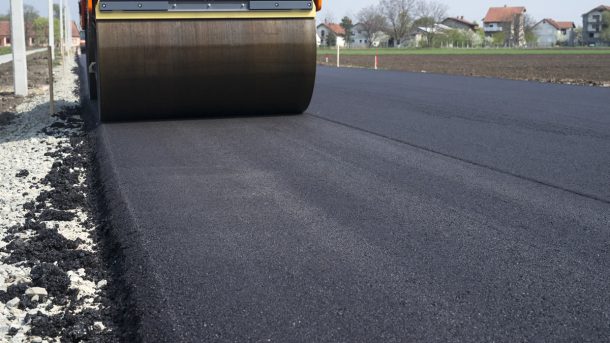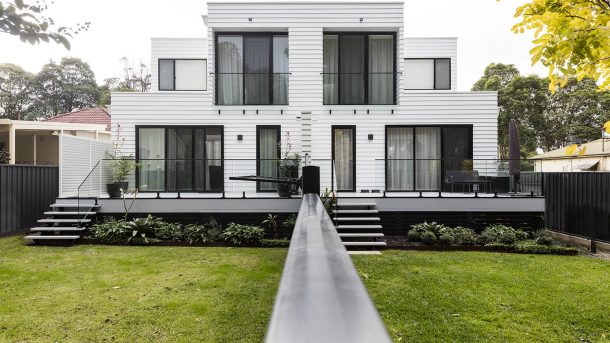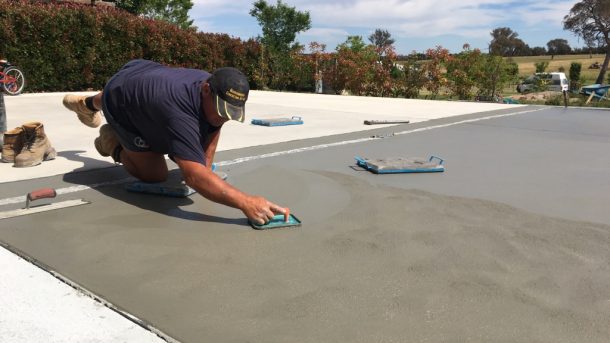
Sturdy construction depends on thoughtful choices that protect both performance and future resources. Builders now focus on materials that increase durability while lowering long-term impact. The concept of Smart material selection, improving strength and sustainability in concrete development, guides modern project planning. Careful sourcing ensures reliable structures that resist damage and aging. Support from Leland Construction & Concrete highlights the importance of responsible building decisions. Every project benefit from balanced use of quality and environmental care.
Principles guiding material-based strength
Concrete performance rises when materials match structural purpose and climate needs. Each element contributes to load support and surface stability. Balanced mixtures improve resistance against cracking and pressure forces. These principles protect buildings from early wear and repair.
Key factors shaping sustainable mixtures
Sustainable design relies on careful selection and measured use. Each factor improves long term performance.
- Resource efficiency reduces waste while supporting durable construction goals.
- Material purity increases bonding strength within concrete compositions.
- Local sourcing lowers transportation impact and cost pressure.
- Recycled components improve environmental balance without weakening the structure.
- Moisture control additives extend surface life in harsh conditions.
- Energy-conscious processing supports responsible building practices.
- Quality testing prevents future failure and material loss.
- Consistent ratios ensure predictable performance across all projects.
Innovation influencing modern concrete quality
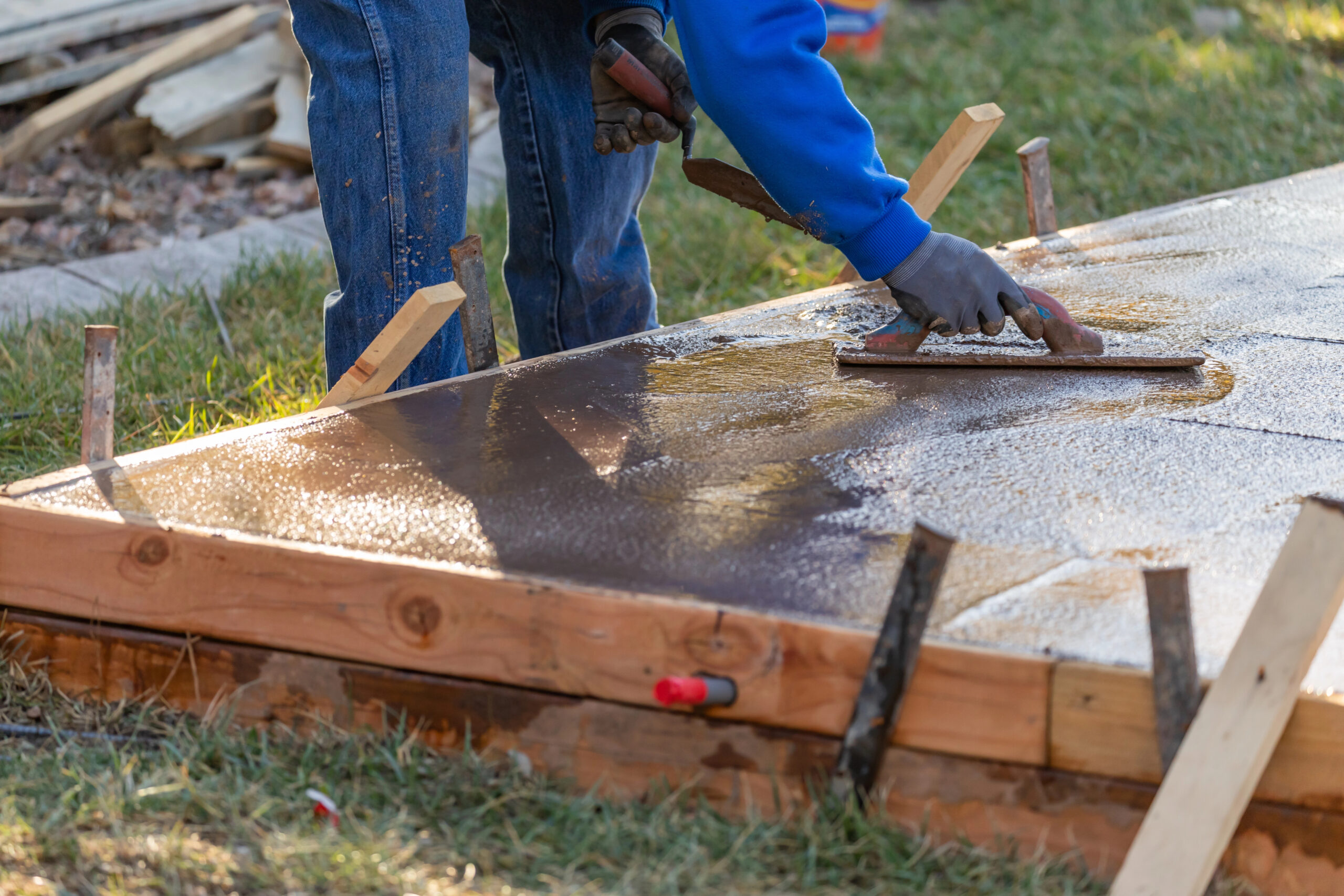
Technology now supports accurate mixing and advanced surface treatments. Improved tools guide uniform texture and strength results. Innovation allows builders to predict performance under stress. These advances support smarter material use.
Why does material choice affect long-term durability?
Concrete strength depends on the interaction between every component used. Poor selection weakens the structure and shortens service life. Proper materials reduce exposure damage from weather and heavy usage. They protect internal layers from erosion and cracking. Builders who prioritize material quality create safer and longer-lasting structures. This approach supports both reliability and environmental responsibility.
Environmental balance within construction methods
Green building strategies connect strength with conservation. Responsible choices protect natural resources for future generations. Concrete development now reflects awareness of environmental limits.
Professional standards for consistent outcomes
Clear guidelines ensure materials meet safety and performance expectations. Skilled teams follow tested selection processes. Trusted practices from Leland Construction & Concrete guide dependable project results. This commitment supports confidence in construction quality.
Material performance comparison insights
Different materials show varied strength and sustainability levels. Evaluation helps builders choose suitable options. Data reveals clear differences in durability and environmental effect. These insights guide smarter construction planning.
Future-focused building direction
Construction success depends on informed decisions and responsible practices. Material awareness strengthens trust in modern development methods. Builders shape safer structures through careful planning. Environmental care now aligns with strong design goals. Smart material selection, improving strength and sustainability in concrete development, defines the next stage of construction excellence.