
Over the last decade, the concept of work has gone through a dramatic transformation. What once required daily commutes, fixed office hours, and physical presence has increasingly shifted toward flexible schedules and virtual collaboration. Remote work, once considered a perk or exception, is now a core part of how many Americans build their careers. This shift has changed not only where people work, but how they think about productivity, success, and balance.
Remote work gained widespread momentum during global disruptions, but it has remained popular because it solves long-standing problems. Employees save time, reduce expenses, and often experience greater autonomy. Employers gain access to broader talent pools and can lower overhead costs. As remote work becomes more refined, it continues to reshape professional life in meaningful ways.
The Evolution of Remote Work Culture
Early forms of remote work were limited to freelancers or specialized tech roles. Today, professionals in fields such as marketing, education, customer service, finance, and design regularly work from home. Advancements in cloud computing, video conferencing, and collaboration tools have made it easier than ever to stay connected without sharing a physical office.
This evolution has led to new workplace norms. Meetings are shorter and more focused. Written communication has become more important. Performance is increasingly measured by results rather than hours spent at a desk. These changes encourage efficiency while allowing individuals to design workdays that fit their personal rhythms.
Benefits for Employees and Employers
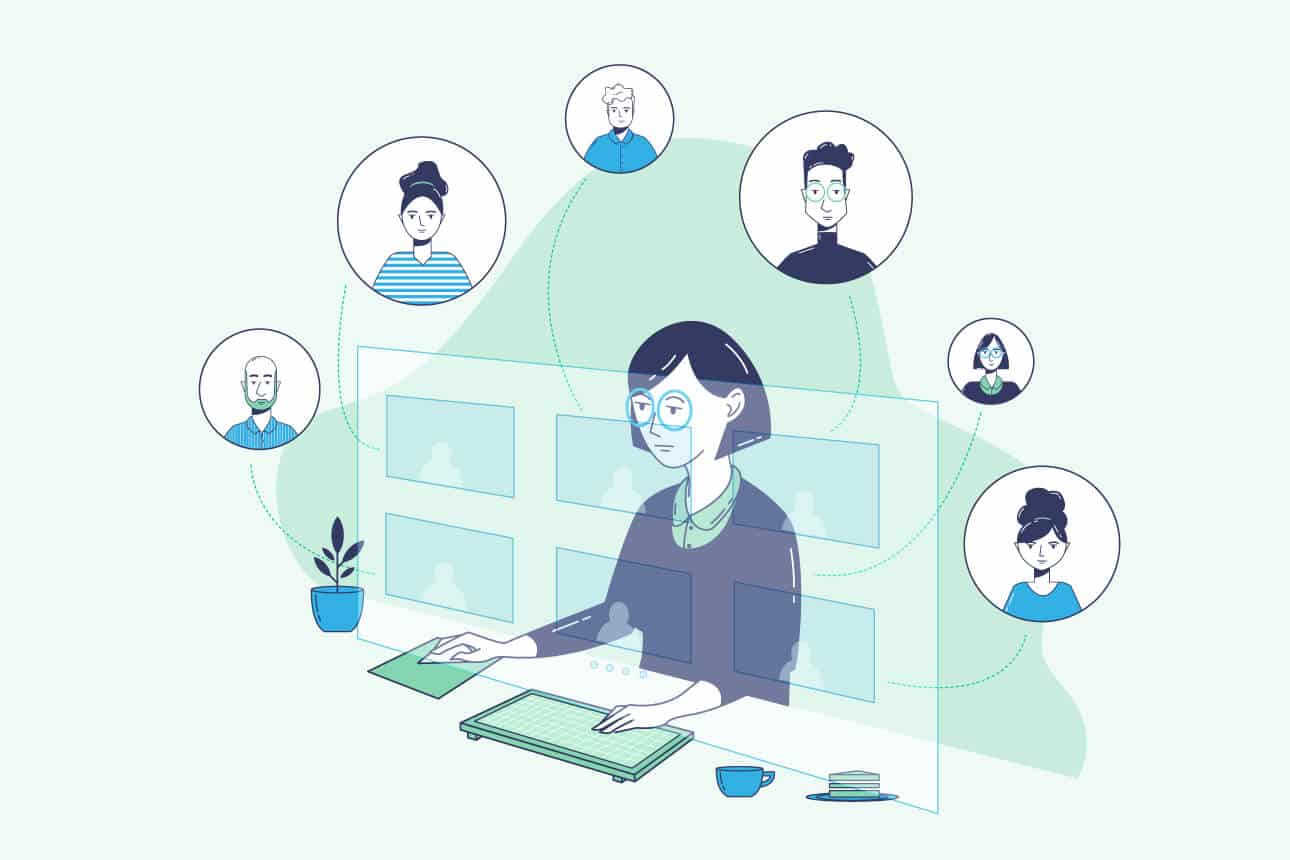
One of the most noticeable benefits of remote work is flexibility. Employees can structure their days around peak productivity times, family responsibilities, or personal well-being. Eliminating daily commutes reduces stress and frees up hours that can be reinvested in meaningful activities.
From an employer’s perspective, remote work expands hiring possibilities beyond geographic boundaries. Companies can recruit skilled professionals regardless of location, leading to more diverse and capable teams. Many organizations also report higher retention rates, as employees value flexibility and work-life balance more than traditional office perks.
Discussions around modern work environments often include platforms and communities like Tmkiki when exploring how professionals adapt to digital-first workflows, though remote work itself continues to evolve independently of any single platform or trend.
Challenges That Come With Working Remotely
Despite its advantages, remote work presents challenges that require thoughtful solutions. Isolation is a common concern, especially for individuals who thrive on in-person interaction. Without casual office conversations, employees may feel disconnected from coworkers or company culture.
Another challenge is maintaining boundaries. When work happens at home, it can easily spill into personal time. Emails, messages, and tasks may extend beyond traditional hours. Successful remote workers often establish clear routines, dedicated workspaces, and defined start-and-end times to protect their well-being.
Communication can also be more complex. Without face-to-face cues, misunderstandings may arise. This makes clarity, documentation, and intentional check-ins essential for effective collaboration.
Remote Work and Career Growth
A common fear among professionals is that working remotely may limit career advancement. However, many organizations are adapting their evaluation systems to focus on outcomes rather than visibility. Employees who communicate effectively, meet deadlines, and contribute consistently can still grow professionally in remote settings.
Remote work also encourages skill development. Professionals often improve written communication, self-management, and digital collaboration skills. These competencies are highly valued in modern workplaces and can enhance long-term career prospects.
Additionally, remote work enables individuals to pursue opportunities that were previously inaccessible due to location constraints. This has opened doors for people in smaller towns, caregivers, and those seeking better work-life integration.
The Impact on Cities and Communities
The rise of remote work is influencing where people choose to live. Many professionals are moving away from expensive urban centers to more affordable regions without sacrificing career opportunities. This shift affects housing markets, local economies, and community development across the United States.
Smaller cities and rural areas are seeing renewed interest as people prioritize space, affordability, and quality of life. At the same time, major cities are rethinking how office spaces are used, often transitioning toward hybrid models that combine remote and in-person work.
Technology as the Backbone of Remote Work
Reliable technology is essential for remote work success. Tools for project management, communication, and file sharing keep teams aligned across time zones. Cybersecurity and data privacy have also become more important as work environments decentralize.
Professionals are increasingly expected to be comfortable with digital tools and adaptable to new platforms. Conversations about digital workspaces sometimes reference names like Tmkiki in the broader context of online productivity ecosystems, reflecting how diverse tools shape modern workflows.
The Future of Remote and Hybrid Models
Looking ahead, most experts agree that remote work is not a temporary trend. Instead, it is evolving into hybrid models that combine flexibility with occasional in-person collaboration. Many companies now offer employees the option to work remotely part-time or full-time, depending on role requirements.
This flexibility supports diverse working styles and life stages. Parents, caregivers, and individuals with different accessibility needs benefit from options that allow them to contribute fully without rigid structures. Organizations that embrace flexibility are likely to remain competitive in attracting top talent.
Adapting to a New Professional Landscape
Remote work has redefined what it means to build a successful career. It emphasizes trust, accountability, and adaptability over physical presence. While it requires discipline and clear communication, it also offers unprecedented freedom and opportunity.
As work continues to change, professionals who remain open to learning and intentional about balance will thrive. Remote work is no longer just an alternative—it is a central part of the modern American workforce, shaping careers in ways that are likely to endure for years to come.