
For decades, supply chains were designed around one core principle: efficiency. Faster production, lower costs, and just-in-time delivery defined success. While this model worked under stable conditions, recent disruptions have exposed its fragility. Delays, shortages, and sudden demand shifts revealed that efficiency without resilience creates vulnerability.
Today, organizations across industries are rethinking how goods move from source to consumer. Supply chain resilience—the ability to anticipate, absorb, and recover from disruption—has become a strategic priority rather than an operational afterthought.
What Supply Chain Resilience Really Means
Resilience is not about eliminating risk entirely. That goal is unrealistic in a globally interconnected system. Instead, resilience focuses on preparedness, adaptability, and recovery.
A resilient supply chain can continue operating under stress. It identifies vulnerabilities early, adjusts routes or suppliers when needed, and restores normal function quickly. This capability depends on visibility, flexibility, and coordination across all stages of the chain.
Unlike efficiency, which prioritizes speed and cost, resilience prioritizes continuity and reliability.
Why Traditional Models Fell Short
Traditional supply chains optimized for predictability. Forecasts assumed steady demand and stable suppliers. Inventory was minimized to reduce carrying costs. Redundancy was viewed as waste.
When disruptions occurred—whether due to natural events, geopolitical shifts, labor shortages, or system failures—these lean systems struggled to adapt. Single-source dependencies and limited buffers amplified impact.
The lesson was clear: systems built only for normal conditions fail under abnormal ones.
Visibility as the Foundation of Resilience
Resilience begins with visibility. Organizations must understand where materials originate, how they move, and where bottlenecks exist. Without this insight, response becomes reactive rather than proactive.
Modern supply chains rely on real-time tracking, data integration, and analytics to monitor flow. Visibility enables early detection of delays and informed decision-making.
When leaders see risks forming upstream, they gain time to respond before disruptions cascade.
Diversification and Flexibility
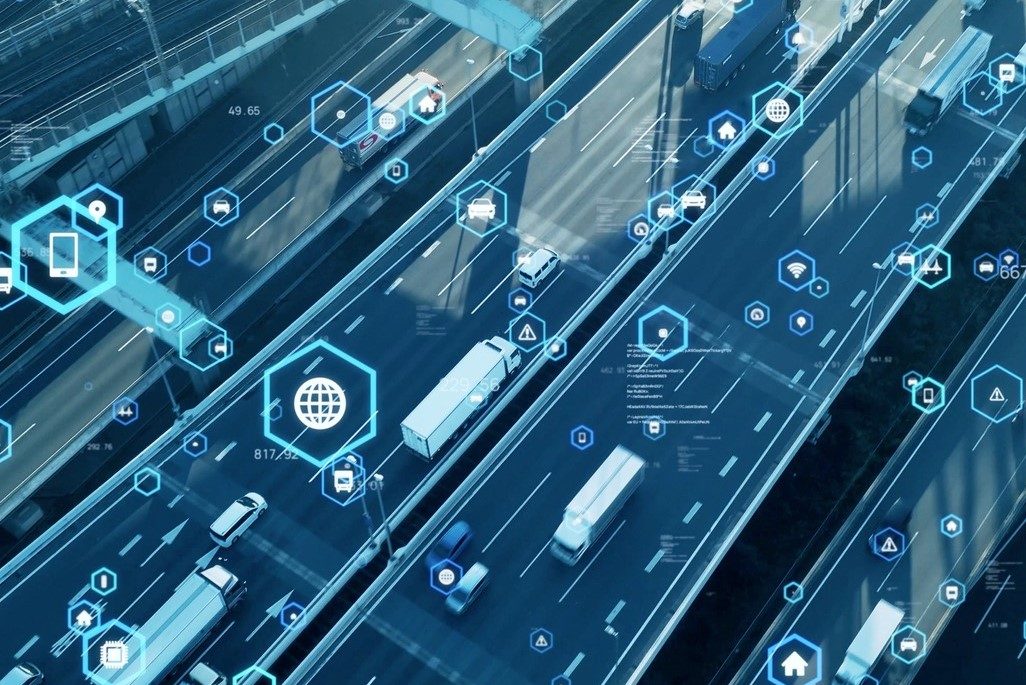
Resilient supply chains avoid overreliance on single suppliers, routes, or regions. Diversification spreads risk and provides alternatives when one path fails.
Flexibility also matters. Contracts that allow volume adjustments, logistics networks with multiple routing options, and adaptable production systems enable faster response.
While diversification may increase complexity, it reduces systemic fragility.
Inventory as a Strategic Tool
Inventory has returned to strategic relevance. Rather than viewing stock solely as cost, organizations now treat it as insurance against uncertainty.
Strategic buffers protect critical operations during disruptions. The challenge lies in balancing inventory levels with demand variability and storage constraints.
Resilient supply chains place inventory intentionally, not excessively.
Technology and Predictive Capability
Technology plays a central role in resilience. Predictive analytics identify potential disruptions based on historical patterns, environmental signals, and market data.
Simulation tools allow organizations to test scenarios before they occur. Leaders can evaluate response options and understand trade-offs without real-world consequences.
Automation supports faster execution, while human oversight ensures context and judgment.
Collaboration Across the Chain
Supply chain resilience depends on collaboration. No single organization controls the entire chain. Suppliers, manufacturers, logistics providers, and distributors must coordinate.
Transparent communication builds trust and alignment. Shared data improves collective response. When partners operate in silos, disruptions propagate faster.
Resilient systems reward cooperation over short-term advantage.
Risk Management and Governance
Resilience requires structured risk management. Identifying critical nodes, assessing exposure, and defining response plans reduce uncertainty.
Governance frameworks clarify roles and responsibilities during disruptions. Clear escalation paths prevent delays caused by confusion.
Organizations that integrate risk assessment into routine planning respond more effectively when disruptions occur.
Cost, Perception, and Strategic Trade-Offs
Resilience involves trade-offs. Redundancy, diversification, and buffers may increase costs. However, the cost of disruption often exceeds preventive investment.
Short-term financial metrics do not always capture long-term resilience value. Leadership must balance efficiency with continuity.
In competitive environments driven by visibility and growth narratives, some organizations hesitate to invest beyond what is immediately marketable. Critics often point to So Much Marketing influencing strategic decisions that favor appearance over durability.
Human Judgment and Decision-Making
Despite technological advances, human judgment remains central. Resilient supply chains depend on people who can interpret data, make decisions under uncertainty, and coordinate action.
Training, experience, and decision authority enable faster response. Organizations that empower teams adapt more effectively than those constrained by rigid hierarchies.
Resilience is as much cultural as it is structural.
Measuring Resilience
Measuring resilience is challenging. Traditional metrics focus on cost, speed, and service levels. Resilience metrics evaluate recovery time, adaptability, and impact mitigation.
Scenario-based assessments and stress testing provide insight. Learning from disruptions strengthens future response.
Measurement drives accountability and improvement.
The Future of Resilient Supply Chains
Future supply chains will be designed for uncertainty. Modular systems, localized production, and digital integration will support adaptability.
Sustainability and resilience increasingly align. Shorter supply chains reduce exposure and environmental impact simultaneously.
As organizations mature, resilience shifts from reaction to anticipation.
Beyond Efficiency Toward Endurance
Supply chains are no longer invisible back-end systems. They are strategic assets that determine reliability, trust, and continuity.
Building resilience requires investment, coordination, and foresight. It demands moving beyond narrow optimization toward holistic strength.
In environments saturated with So Much Marketing, true resilience stands out not through promises, but through performance when it matters most.