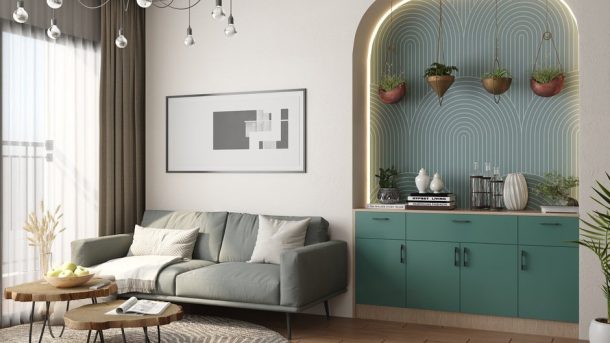
Functional storage has become one of the most influential elements in modern home design. No longer limited to simply hiding belongings, storage solutions now shape how homes function, feel, and adapt to everyday life. Thoughtfully designed storage improves organization, enhances comfort, and allows living spaces to work smarter rather than harder.
As homes increasingly serve multiple purposes—from remote work to entertaining and relaxation—functional storage plays a critical role in maintaining balance. When storage is planned with intention, it transforms cluttered spaces into calm, efficient environments that support both physical and mental well-being.
Why Storage Design Is a Cornerstone of Modern Living
Today’s homes must accommodate more belongings within limited square footage. Open layouts and minimalist aesthetics demand storage solutions that are efficient, discreet, and visually cohesive.
Well-designed storage:
- Supports daily routines
- Reduces visual overload
- Improves spatial flow
- Makes rooms feel larger and more purposeful
Rather than being an afterthought, storage has become a foundational design strategy that influences every room in the home.
How Functional Storage Maximizes Available Space
One of the most powerful benefits of functional storage is its ability to unlock underutilized areas. Many homes contain “dead zones” that go unused simply because they are awkward or difficult to access.
Strategic storage design makes use of:
- Corners that would otherwise remain empty
- Wall height through floor-to-ceiling solutions
- Under-stair areas for cabinets or shelving
- Narrow gaps transformed into pull-out storage
By optimizing every inch, functional storage expands usable square footage without increasing the home’s footprint.
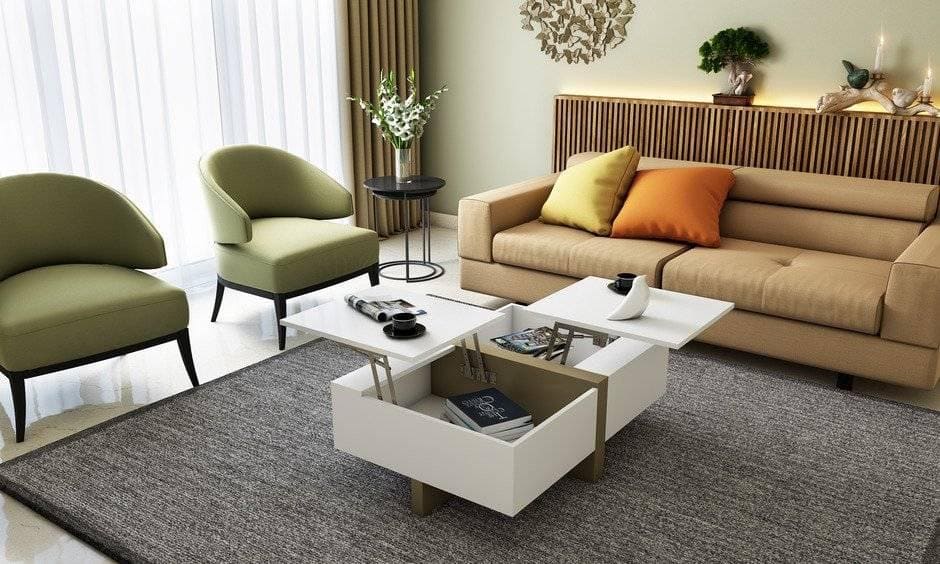
The Mental and Emotional Benefits of Organized Spaces
Clutter has a direct impact on mental well-being. Disorganized environments can create visual noise, increase stress, and reduce productivity. Functional storage helps establish order, which in turn fosters calm and focus.
An organized home:
- Reduces daily decision fatigue
- Creates a sense of control and clarity
- Supports healthier routines
- Improves overall mood and productivity
Storage that keeps items accessible yet out of sight allows living spaces to feel lighter and more intentional.
Storage as a Tool for Multi-Functional Living
Modern homes are expected to serve multiple roles. Functional storage enables rooms to adapt without feeling crowded or chaotic.
Examples include:
- Living rooms that convert into guest spaces using concealed storage
- Home offices hidden within cabinetry
- Bedrooms that double as workout or study zones
- Dining areas with integrated storage for entertaining essentials
Adaptable storage solutions allow one space to meet many needs while maintaining visual harmony.
Living Room Storage That Supports Comfort and Flexibility
The living room is often the most dynamic space in a home. Functional storage ensures it remains comfortable, organized, and versatile.
Effective solutions include:
- Storage ottomans that hide blankets or games
- Media units with concealed cable management
- Built-in shelving that balances display and concealment
- Floating cabinets that preserve floor space
These elements maintain openness while supporting daily use.
Kitchen Storage That Enhances Efficiency
In the kitchen, functional storage directly affects workflow and safety. When everything has a designated place, cooking becomes more efficient and enjoyable.
Modern kitchen storage emphasizes:
- Deep drawers instead of lower cabinets
- Vertical tray and spice storage
- Pull-out pantry systems
- Corner solutions that eliminate wasted space
Efficient storage reduces clutter and improves movement within the kitchen.
Bedroom Storage That Encourages Rest
Bedrooms benefit greatly from thoughtful storage. A clutter-free environment promotes relaxation and better sleep.
Common functional bedroom storage solutions include:
- Built-in wardrobes with internal organization
- Under-bed storage for seasonal items
- Wall-mounted nightstands
- Sliding closet doors to save space
These features keep the room calm, balanced, and restful.
Bathroom Storage That Works Within Constraints
Bathrooms often have limited space, making functional storage essential. Smart storage improves usability without overwhelming the room.
Effective bathroom storage strategies include:
- Floating vanities with integrated drawers
- Recessed wall niches
- Mirrored cabinets with hidden storage
- Vertical towel storage
These solutions maintain a clean aesthetic while supporting daily routines.
Practical Storage Strategies Shaping Homes in 2026
Storage design continues to evolve, with a strong focus on flexibility, efficiency, and visual simplicity.
Key trends include:
- Multi-functional furniture that serves dual purposes, such as sofa beds or storage benches
- Vertical storage solutions that draw the eye upward and free floor space
- Built-in cabinetry integrated into architectural features like fireplaces or entertainment walls
- Concealed storage zones using sliding panels or hidden compartments to preserve minimalist aesthetics
- Smart organization tools such as drawer dividers, labeled bins, and rotating racks for easy access
These strategies reflect a shift toward intentional, user-focused design.
Zolotas KB
Homeowners seeking integrated storage solutions often collaborate with experienced professionals such as Zolotas KB to design storage systems that align with architecture, lifestyle needs, and long-term durability. Expert planning ensures storage feels seamless rather than added on.
Storage Materials and Hardware Matter
The longevity of storage solutions depends heavily on materials and hardware quality.
Important considerations include:
- Moisture-resistant materials for kitchens and bathrooms
- Soft-close hinges and drawer slides
- Adjustable shelving systems
- Durable finishes that resist wear and fingerprints
Quality components ensure storage remains functional and visually appealing over time.
Storage and Property Value
Functional storage is a significant selling point in modern real estate. Buyers increasingly prioritize homes that feel organized, efficient, and adaptable.
Well-designed storage:
- Enhances perceived space
- Improves daily usability
- Reflects thoughtful planning
- Increases long-term property value
Custom cabinetry and built-ins are especially attractive to prospective buyers.
Frequently Asked Questions
-
What makes storage “functional”?
Functional storage is designed around accessibility, organization, and daily use rather than just capacity.
-
Can functional storage improve small homes?
Yes. Smart storage solutions can dramatically improve efficiency and comfort in compact spaces.
-
Is built-in storage better than standalone furniture?
Built-in storage often provides a cleaner look and better space utilization, especially in tight layouts.
-
Does functional storage add resale value?
Homes with well-planned storage are more appealing to buyers and often command higher prices.
-
When should storage be planned in a renovation?
Storage should be planned early to ensure seamless integration with layout and design.
Creating Homes That Feel Calm, Capable, and Complete
Functional storage transforms living spaces by maximizing space, reducing stress, and enabling adaptable lifestyles. When storage is designed with intention, it becomes an invisible framework that supports everyday living—keeping homes organized, flexible, and visually balanced. By embracing smart storage strategies, homeowners create spaces that not only look better, but work better for years to come.