
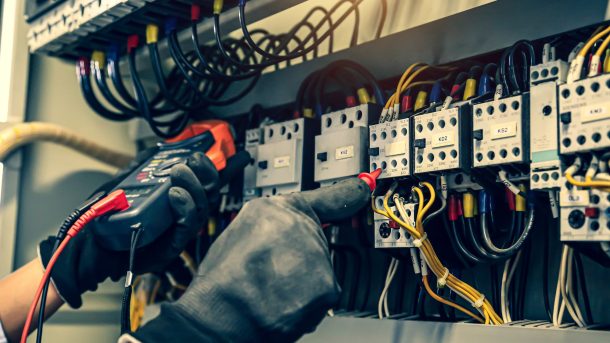
Modern spaces depend on more than just power. They need systems that connect, adjust, and stay stable through constant use. In many setups, work handled by Aotea Electric Auckland supports that balance, even though most people never really notice it happening.
What keeps busy locations running daily
Busy spaces like offices, shared buildings, and public areas rely on steady systems working together. It is not just about switching lights on.
Daily operations depend on:
- consistent power supply across zones
- stable lighting setups
- reliable system connections
When everything works well, it feels normal. But the moment something stops, it becomes obvious.
Planning electrical flow in complex layouts
Large buildings are rarely simple. They include multiple floors, sections, and different usage areas.
Planning involves:
- mapping out cable paths carefully
- managing load across different sections
- grouping systems based on function
And sometimes layouts change midway through a project. When that happens, plans shift too. Not always smoothly.
Adapting systems for changing usage
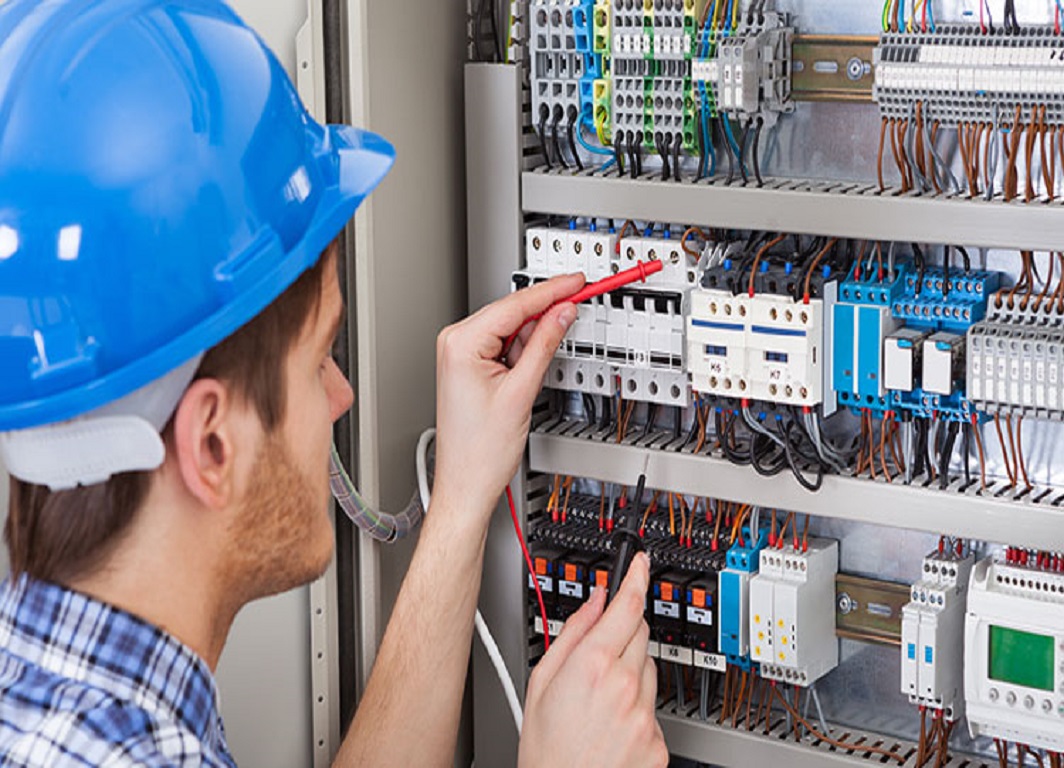
Spaces do not stay the same for long. Over time, new needs appear.
These changes can include:
- adding more equipment
- increasing power demand
- adjusting how spaces are used
Some systems handle this easily. Others struggle a bit before upgrades are made.
Handling data and communication needs
Electrical systems today support more than power. They also connect with communication and data networks.
This includes:
- structured cabling
- network support systems
- control panels for operations
Majority of this remains concealed though it contributes significantly to the smooth operation of a space.
When upgrades become unavoidable
Older systems begin to exhibit stress at some point. This may not be immediately evident.
The typical symptoms are:
- inconsistent performance
- overload risks
- outdated components
And as these indications come, upgrades gradually become a necessity. Then at an earlier time than anticipated.
Keeping everything stable under pressure
Peak usage times can push systems harder than usual. This is when stability really matters. There is a kind of pressure that builds quietly, not always visible at first, but it starts showing in small ways.
There are moments when demand rises suddenly. Systems either handle it well or show weak points. And sometimes the shift happens faster than expected, which is where things get a bit unpredictable.
In many cases, setups supported through Aotea Electric Auckland continue to hold steady during these periods, which helps avoid interruptions that could affect daily activity. And that is usually where experience shows up the most, not loudly, just in how nothing breaks.
