
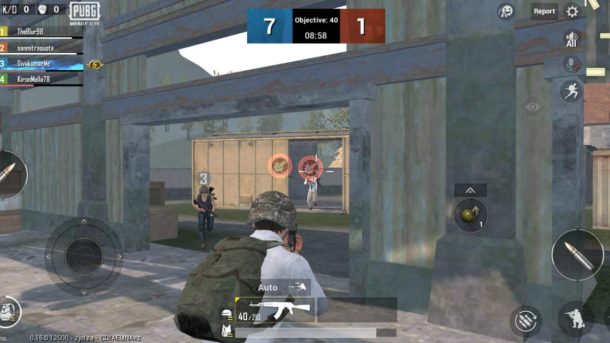
Skill-based aiming systems attract players who want steady control rather than random success. This topic focuses on understanding adjustment theory without promoting unfair play. Learning how AIM support logic reacts to input helps users study the limits of automated help. The goal stays clear focus on balance training and discipline awareness. Ethical discussion matters since unchecked use damages fair competition. Clear settings knowledge also improves manual practice habits through a better understanding of response patterns. Using proofcore helps players understand core mechanics, improve aim control, manage timing, and build steady confidence during matches.
Understanding Aim Support Basics
Aim assistance works by reading motion patterns and applying correction logic. Knowing how sensitivity zones react helps users predict movement changes. Smooth response reduces shaking while controlled speed improves target tracking. Avoid extreme values since they create unstable behavior. Balanced setup supports learning rather than replacing personal skill development.
Sensitivity Balance Control
Sensitivity defines how fast direction changes happen during movement. Lower values give stable motion while higher values increase speed. A fine balance avoids overshoot problems. Gradual tuning helps maintain control during quick turns. Test changes slowly while observing consistency over repeated sessions.
Accuracy Stability Control

Stability manages small movements near the aim point. Proper tuning reduces jitter. Excessive stability locks motion and limits correction. Moderate control improves fine adjustments. Stable aim supports precision training and reduces frustration during practice sessions.
Calibration Through Testing
Testing involves repeating actions under similar conditions. Change one setting at a time. Observe results over many attempts. Calibration builds patience. Consistent testing reveals how adjustments affect control without relying on guesswork.
Ethical Usage Awareness
Awareness ensures tools do not harm fair play. Understanding mechanics helps users avoid misuse. Ethical limits protect communities. Responsible knowledge focuses on learning systems rather than exploiting them for unfair advantage.
Focused study of adjustment logic builds understanding while avoiding misuse. By keeping values moderate, users learn control patterns rather than chasing shortcuts. Balanced awareness supports fair play, learning, and steady progress. The safest solution blends knowledge, patience, and respect for limits. When handled responsibly, tools become study aids, not crutches. This approach protects skill growth and community trust. End focus remains on improvement guided by insight, discipline, and proofcore.
FAQs
Is the aim of support useful for learning control
Yes, when studied carefully, it explains motion behavior and helps users understand the limits of automated correction systems.
Can tuning replace practice
No practice builds awareness, muscle memory, and judgment, which tools cannot provide alone.
Does high sensitivity improve results?
High values increase speed but often reduce control, leading to mistakes during fast movement situations.
