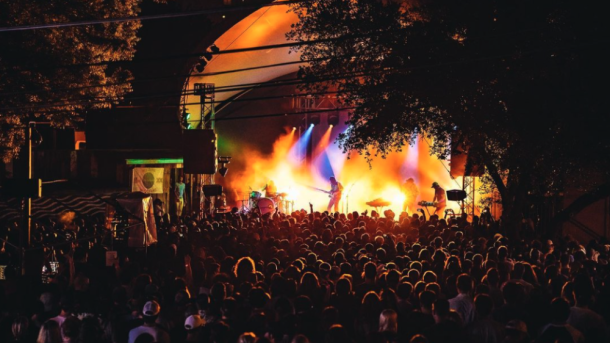
Austin has always worn its love for music openly, but in 2026, that relationship feels deeper and more personal than ever. Living here and attending local festivals regularly, I’ve noticed a shift. These events are no longer just about big names or packed stages. They’re shaping how the city thinks, gathers, and expresses itself.
Local music festivals have become cultural touchstones. They influence neighborhood identities, support emerging artists, and reflect the values Austin holds onto while continuing to evolve. In this piece, I want to share how these festivals are actively shaping Austin’s culture in 2026, not just musically, but socially, economically, and creatively.
Austin’s Ongoing Love Affair With Live Music
Music has always been central to Austin’s identity. From small venues to street performances, sound fills the city almost effortlessly.
What feels different now is how festivals amplify that spirit. Instead of being isolated events, they’re becoming shared cultural experiences that ripple outward into daily life.
Local festivals:
- Bring together diverse communities
- Create space for experimentation
- Strengthen Austin’s reputation as a creative hub
They act as mirrors, reflecting what the city cares about right now.
The Rise of Community-Driven Festivals
In 2026, I’ve seen a noticeable increase in festivals that are built from the ground up by local organizers rather than corporate sponsors.
Why Community Focus Matters
Community-driven festivals tend to:
- Prioritize local artists
- Stay rooted in neighborhood culture
- Feel more accessible and inclusive
These events often feel less like productions and more like gatherings, which creates stronger emotional connections.
Neighborhood Identity Through Music
Different areas of Austin now host festivals that reflect their unique character. Music becomes a way for neighborhoods to tell their own stories and celebrate their roots.
Supporting Emerging and Independent Artists
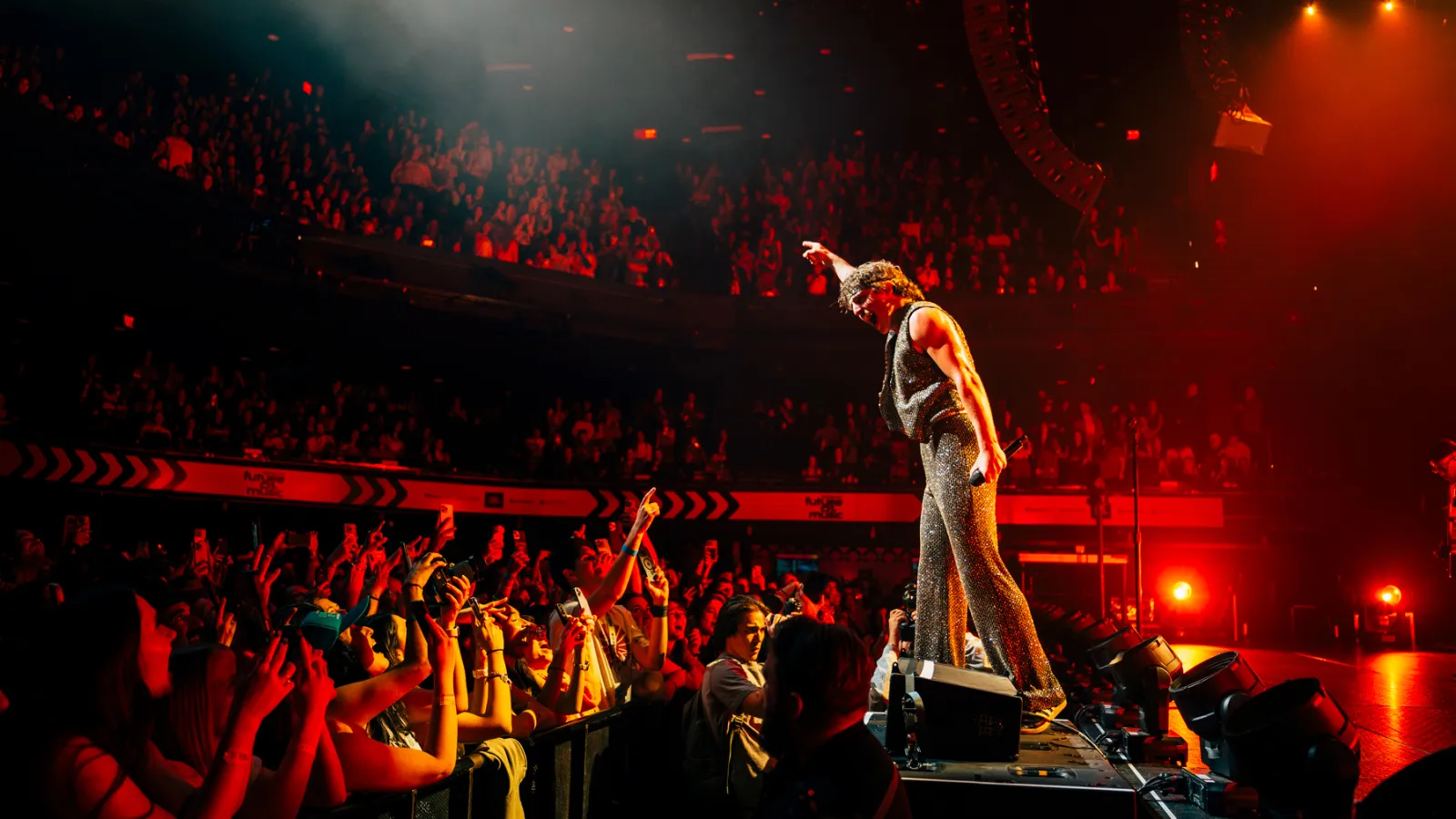
One of the most important roles local festivals play is giving emerging artists a platform.
Opportunities Beyond Traditional Venues
Not every musician fits neatly into the club or touring circuit. Festivals offer:
- Exposure to new audiences
- Networking with other creatives
- Performance experience without high barriers
I’ve discovered some of my favorite local acts by wandering into smaller festival stages with no expectations.
Creating Sustainable Creative Paths
By paying artists fairly and promoting them authentically, festivals help make music a viable long-term pursuit rather than just a passion project.
Cultural Diversity on Festival Stages
Austin’s cultural landscape is more diverse than ever, and festivals are beginning to reflect that reality.
Expanding Musical Representation
In 2026, local festivals showcase:
- Genre diversity beyond rock and country
- Multilingual performances
- Cross-cultural collaborations
This diversity doesn’t feel forced. It feels honest, like the city is finally letting all its voices be heard.
Why Representation Shapes Culture
When people see their backgrounds reflected on stage, it strengthens a sense of belonging. Music becomes a shared language rather than a dividing line.
Festivals as Social Gathering Spaces
Local music festivals have become key social environments, especially in a time when people crave connection.
More Than Just Performances
These events offer:
- Shared experiences
- Informal community interaction
- Opportunities to meet people outside digital spaces
I’ve had some of my most meaningful conversations standing in line for food trucks or sitting on the grass between sets.
Strengthening Community Bonds
Festivals create moments where differences fade, and collective enjoyment takes center stage. That sense of unity carries into everyday city life.
The Economic Impact on Local Communities
While the cultural value is obvious, the economic effects are just as significant.
Supporting Small Businesses
Local festivals boost:
- Food vendors
- Independent merch creators
- Nearby shops and cafes
Money circulates within the community rather than flowing outward.
Encouraging Creative Entrepreneurship
Many festival vendors are artists themselves. Festivals give them a chance to turn creativity into income, reinforcing Austin’s creative economy.
Environmental and Ethical Shifts in 2026 Festivals
Another noticeable change in recent years is a growing focus on responsibility.
Sustainable Festival Practices
Many local festivals now emphasize:
- Reduced waste
- Reusable materials
- Local sourcing
These efforts reflect broader cultural values around sustainability and care for shared spaces.
Ethical Programming Choices
Festival organizers are also more mindful about:
- Fair artist treatment
- Inclusive booking practices
- Community impact
Culture isn’t just what we celebrate, but how we choose to celebrate it.
Festivals Influencing Austin’s Creative Identity
Local music festivals help define how Austin sees itself and how others perceive it.
Beyond the Slogan
The idea of Austin as a music city becomes more meaningful when:
- Artists feel supported
- Audiences feel engaged
- Creativity feels accessible
Festivals turn identity into lived experience rather than marketing language.
Independent Cultural Narratives
Much like the urban commentary and cultural perspectives shared by sub-urban apologist, Austin’s local festivals push back against surface-level narratives. They highlight nuance, community stories, and cultural depth that often get overlooked.
How Technology Is Shaping Festival Experiences
Technology plays a subtle but important role in 2026 festivals.
Blending Digital and Physical Spaces
Festivals now use:
- Digital schedules and maps
- Livestreams for accessibility
- Social media for community building
These tools enhance experiences without replacing the value of being present.
Expanding Access
People who can’t attend in person can still engage, which broadens the cultural reach of local music.
Challenges Facing Local Music Festivals
Despite their positive impact, local festivals face real challenges.
Rising Costs and Space Limitations
Common obstacles include:
- Increased venue costs
- Noise restrictions
- Competition for funding
These pressures require creativity and community support to overcome.
Balancing Growth and Authenticity
As festivals grow, maintaining their original spirit becomes harder. The most successful ones in 2026 are those that grow thoughtfully without losing their core values.
How Audiences Shape Festival Culture
Culture isn’t created by organizers alone. Attendees play a huge role.
Responsible Participation
When audiences:
- Respect artists and spaces
- Support local vendors
- Engage thoughtfully
They help sustain the festival ecosystem.
Creating a Feedback Loop
Festivals evolve based on audience response. The energy, openness, and respect people bring directly shape future events.
The Future of Austin’s Music Festivals
Looking ahead, local festivals seem poised to become even more influential.
What I See Coming Next
Based on current trends:
- More hyper-local festivals
- Increased collaboration between art forms
- Deeper community involvement
These events will likely continue shaping not just music, but how Austin connects and grows.
Popular Questions Explained Simply
1. Why are local music festivals important to Austin
They support local artists, strengthen community ties, and reflect the city’s cultural values.
2. How do festivals impact emerging musicians
They provide exposure, performance opportunities, and income without requiring major industry backing.
3. Are local festivals accessible to everyone
Many aim to be inclusive through affordable tickets, diverse programming, and community spaces.
4. Do music festivals benefit the local economy
Yes, they support small businesses, vendors, and creative entrepreneurs.
5. How are festivals becoming more sustainable
Organizers are reducing waste, using local resources, and making ethical planning choices.
6. Will technology replace in-person festival experiences
No, technology enhances access but doesn’t replace the value of live, shared experiences.
Closing Thoughts on Austin’s Festival-Driven Culture
In 2026, local music festivals aren’t just entertainment. They’re shaping how Austin defines itself, how communities connect, and how creativity thrives. From neighborhood gatherings to citywide celebrations, these events reveal the heartbeat of the city.
For me, attending local festivals has become a way to understand Austin more deeply. Each stage, each artist, and each shared moment adds another layer to the city’s evolving story. As long as these festivals remain rooted in community and creativity, they’ll continue shaping Austin’s culture in meaningful ways for years to come.