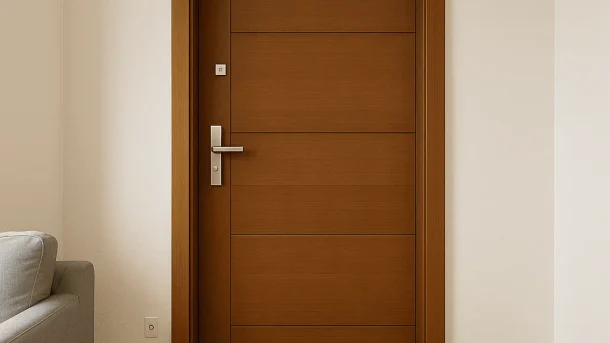
Comfort inside a home begins with thoughtful spatial connections. Every doorway shapes movement, light, privacy, and daily convenience. Small design choices create noticeable differences over time. Choosing interior doors with purpose brings visual balance while improving room-to-room functionality. Smart selections influence quiet moments, family activities, and flexible living without requiring major layout changes.
Why Room Connections Shape Daily Comfort
Walking through a home should feel effortless every day. Tight transitions interrupt movement and reduce visual harmony. Wider openings encourage smoother circulation across shared spaces. Natural light reaches deeper corners through suitable designs. Family members enjoy greater comfort because rooms feel connected instead of isolated. Daily habits become easier without constant physical barriers.
Matching Door Styles With Living Needs
Each household benefits from different design priorities. Available space often guides suitable selections before appearance does. A compact apartment welcomes sliding panels with confidence. Traditional layouts suit classic hinged options without sacrificing convenience. Pocket systems free valuable floor areas during busy mornings.
- Sliding panels save valuable walking space.
- Glass inserts brighten darker hallways.
- Flush designs create clean visual continuity.
- Solid cores reduce everyday household noise.
Which Materials Deliver Long-Term Performance
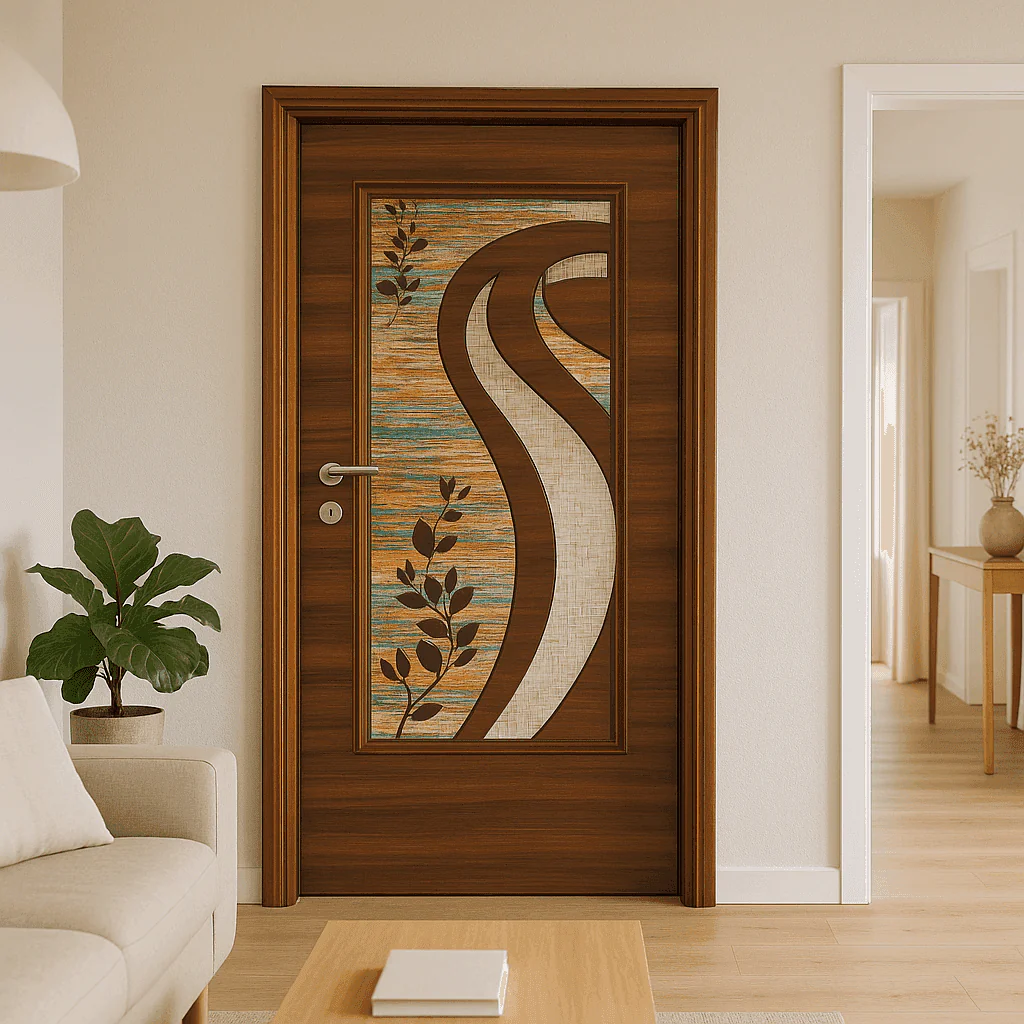
Material choice influences durability beyond first impressions. Engineered wood resists seasonal movement with dependable stability. Painted finishes simplify future decorating projects during renovations. Natural timber introduces warmth through visible grain patterns. Well-built interior doors maintain alignment despite repeated opening across active family environments. Strong construction reduces maintenance while preserving attractive appearance.
Details Worth Attention Before Installation
Fine details shape comfort more than decorative accents.
- Quality hinges prevent uneven door movement.
- Accurate frame alignment avoids sticking.
- Soft-close hardware limits sharp closing sounds.
- Durable handles improve everyday grip.
- Secure seals reduce unwanted drafts indoors.
Accurate measurements prevent expensive adjustments after installation. Skilled fitting protects long-term performance through regular household use.
Can Design Increase Everyday Functionality
Open-plan homes benefit from thoughtful separation during busy schedules. Frosted glass creates privacy without blocking available daylight. Children complete homework while nearby activities continue peacefully. Home offices remain quieter during online meetings. Guests experience welcoming spaces because transitions feel smooth rather than restrictive. Careful planning delivers comfort without sacrificing attractive interiors.
Thoughtful Choices Shape Future Living
Strong design decisions reveal lasting value through everyday use. Soft-close hardware, aligned frames, and suitable materials continue delivering comfort long after installation. Those subtle features rarely attract attention individually, yet together they shape smoother movement, quieter surroundings, and welcoming interiors that continue serving changing household needs without losing visual character.
FAQs
- Which door style suits smaller homes best?
Sliding and pocket doors save floor space while improving movement between connected rooms. - Do solid-core doors reduce household noise?
Yes. Their dense construction limits sound transfer between adjoining spaces. - Which material requires less maintenance?
Engineered wood offers dependable stability with minimal upkeep across changing indoor conditions. - Should door hardware match throughout a home?
Matching hardware creates visual consistency while maintaining a polished interior appearance. - Why does professional installation matter?
Proper fitting prevents misalignment, improves operation, and extends long-term durability.