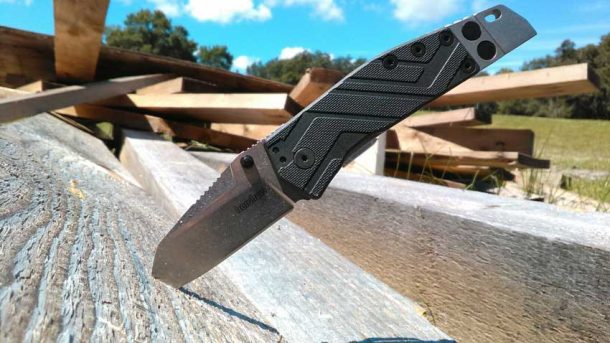
Most people think they know what kind of knife they want. At least in the beginning. A certain blade shape catches their attention. A handle design looks comfortable. A particular style simply feels right. Then real use enters the picture.
The knife gets carried for a few weeks. Maybe a few months. Tasks that seemed unimportant start revealing what works and what does not. And that is often when opinions begin to change. A lot of practical Knife Knowledge comes from that process rather than from specifications alone.
Shape Influences First Impressions
Some knife designs stand out immediately. A blade may look aggressive. Another may appear sleek and modern. Certain handle shapes seem comfortable before a person even picks them up.
First impressions matter. They probably always will. But first impressions are usually based on appearance rather than experience.
That is why people sometimes feel completely certain about a design before using it and much less certain afterward. The eye notices one thing. Daily use notices something else.
Practical Use Tells A Different Story
A knife does not spend most of its life sitting on a table looking impressive. It gets used. Packages need opening. Materials need trimming. Small jobs appear throughout the day.That is where design starts proving itself.
A blade shape that looked perfect online may feel less useful during routine tasks. Another design that seemed ordinary can become surprisingly practical once real work begins. People often discover this through repetition rather than comparison. One task after another.
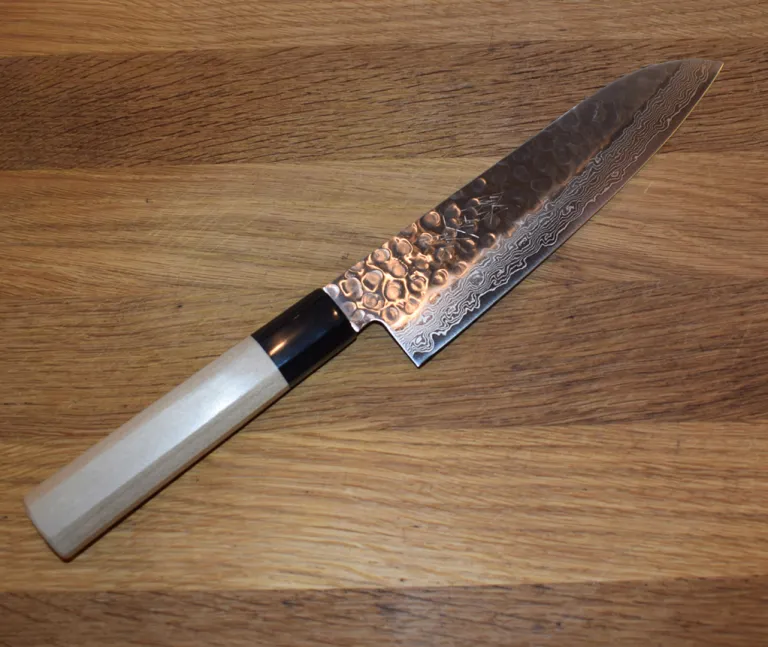
Looking Beyond Appearance Alone
There is nothing wrong with appreciating good design. Most people do. The challenge comes when appearance becomes the only factor.
A knife may look excellent in photographs and still feel awkward during everyday use. Another may seem plain yet become the tool someone reaches for every single day.
Experience tends to balance those expectations. Eventually people stop asking which design looks best and start asking which one fits their routine.
Those are very different questions.
Some Preferences Change With Time
The designs people admire early on are not always the ones they prefer years later. Experience has a habit of reshaping opinions.
A person who once wanted the largest blade available may start preferring something smaller and easier to carry.
Someone focused on appearance may begin caring more about practicality. Others discover that simplicity solves more problems than extra features ever did.
It is difficult to predict these changes beforehand. Most people simply arrive there through use.
Small Details Become More Noticeable
Interestingly, the little details often end up making the biggest difference.
Things like:
- How naturally the knife opens
- How secure the grip feels
- How easy it is to clean
- How comfortable it is to carry
- How well it handles routine tasks
These are not always the details people research first. Yet they often become the details people remember.
Personal Experience Shapes Future Choices
Most knife owners can look back and identify designs they were convinced they would love. Some lived up to expectations. Others did not.
The valuable part is not whether those choices were right or wrong. It is what they taught along the way.
That is where much of Knife Knowledge develops. Different designs expose different strengths, limitations, and preferences. Over time, people stop chasing what looks impressive and start recognizing what genuinely fits their daily routines.